The cues
Timeline- Crew arrival & dock accessvenue + crew lead
- Build and power verificationcrew lead
- Stock staged, signage up, test presscrew
- Station soft-open before doorsplanner call
- Doors & first rushcrew lead runs the board
- Quiet period during remarksstage manager cue
- Second push after the programmecrew lead
- Last ticket calledplanner call
- Teardown, surplus handover, unit countcrew lead + planner
The three cues that matter most
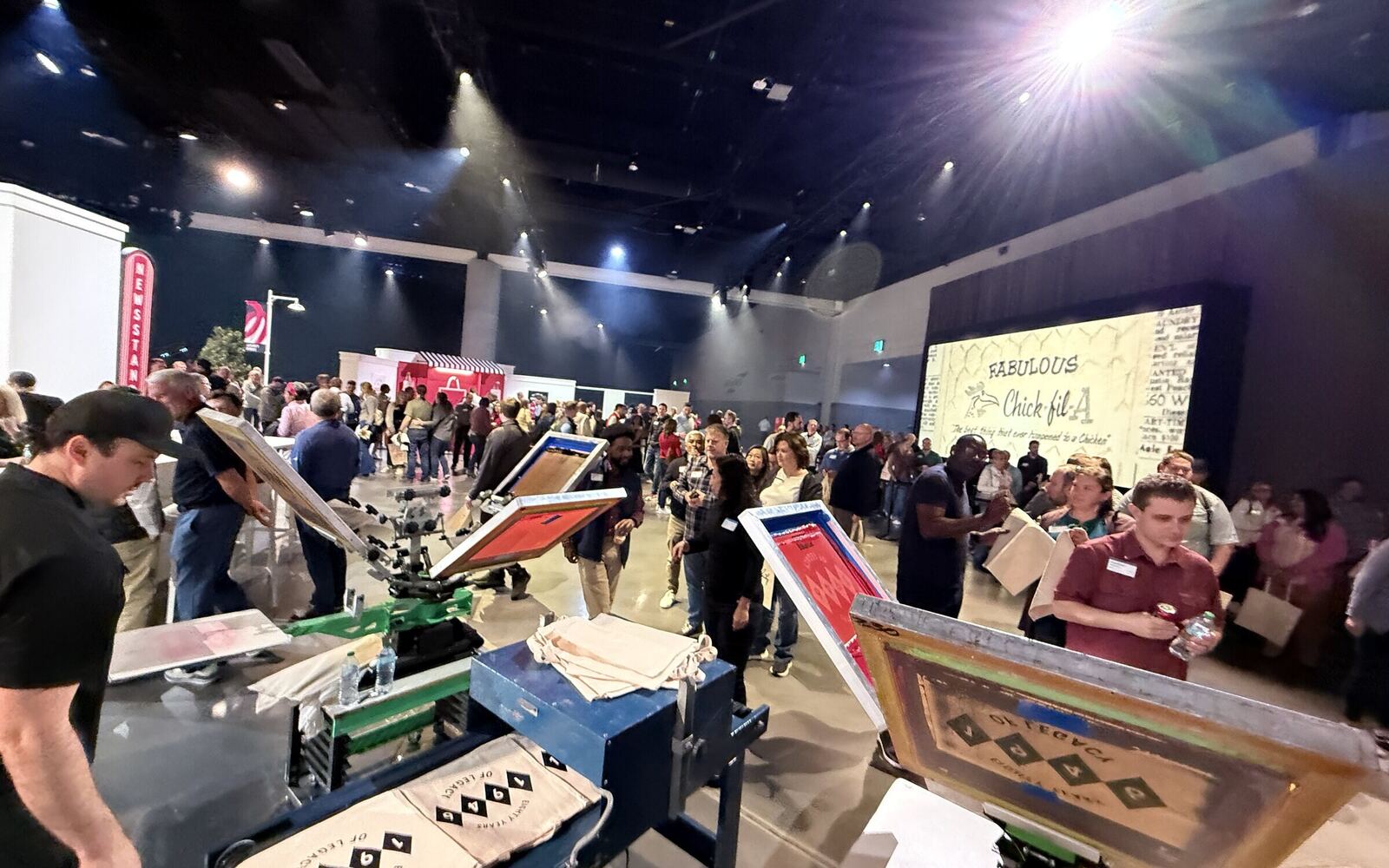
DetailSoft-open before doors. Opening the station fifteen or twenty minutes before your advertised door time costs nothing and flattens the first rush noticeably. Early arrivals are the easiest guests you will serve all day, and every one you clear early is one fewer in the peak.
The quiet period. If there are speeches, the station should go quiet. Presses are not loud but they are not silent, and a station working behind a keynote is the kind of detail an executive notices. This wants to be a real cue owned by your stage manager, communicated to the crew lead directly — not an assumption.
Last ticket called. Decide in advance who announces that the queue is closing and how much warning is given. A station that simply stops has a small crowd of disappointed people around it; a station that calls a last ticket fifteen minutes out does not. This is a planner call, and it is the single cheapest way to end the night well.
How to brief the crew
HandoverOur crew lead needs five things from you, and none of them takes long.
The run sheet — the actual document, not a summary. Your mobile number and the number of whoever is on the floor, because during service nobody is reading email. The quiet-period cue and who will give it. The last-ticket time and who announces it. And the tone: whether this is a boisterous watch party where the crew should be loud and encourage a crowd, or a corporate evening where they should be efficient and invisible. That last one changes how the station feels more than any equipment decision.
What we will tell you unprompted
If the queue is running longer than scoped, you will hear it from the crew lead while there is still time to act — not in a post-event report. Usually the fix is small: relaxing a menu option, calling a size, or moving a staff member from staging to intake for twenty minutes. Those adjustments only work if someone is watching the whole station, which is exactly why the lead runs the board instead of pressing.